🕰️clock restoration journey
so i found this cool old clock at an antique store yesterday. my in-laws have been in the market for one so i grabbed it for them.
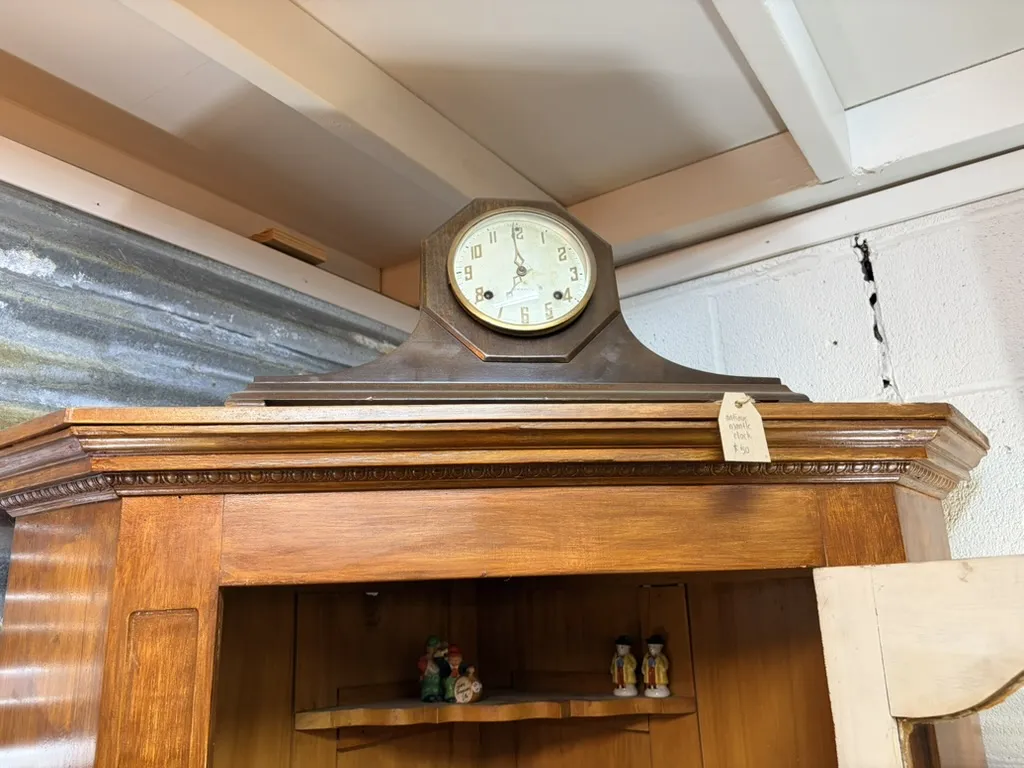
they asked if it worked and i figured it didn’t since it was stuck at 7, and it was really like 2 in the afternoon. we got it down and i took some pics:
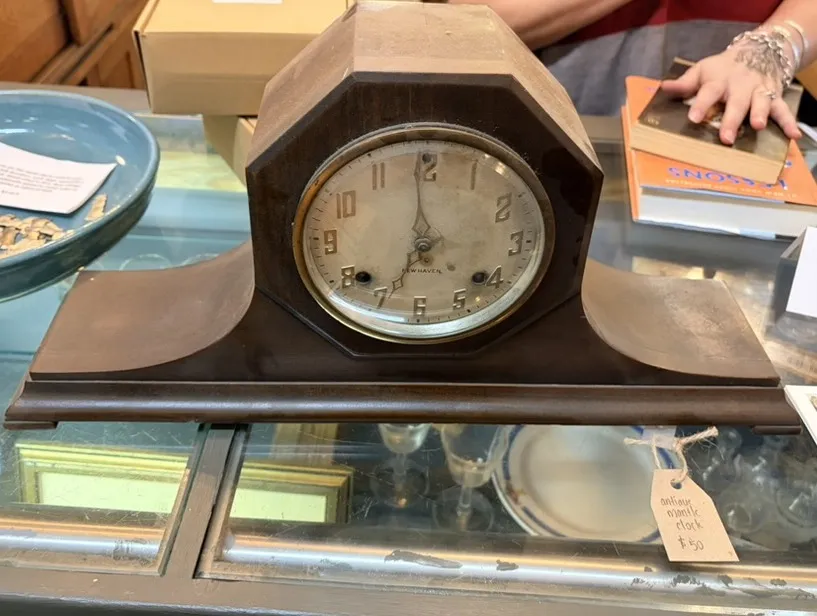
sent this one to my brother bc he’s a history nerd and general mechanic nerd:
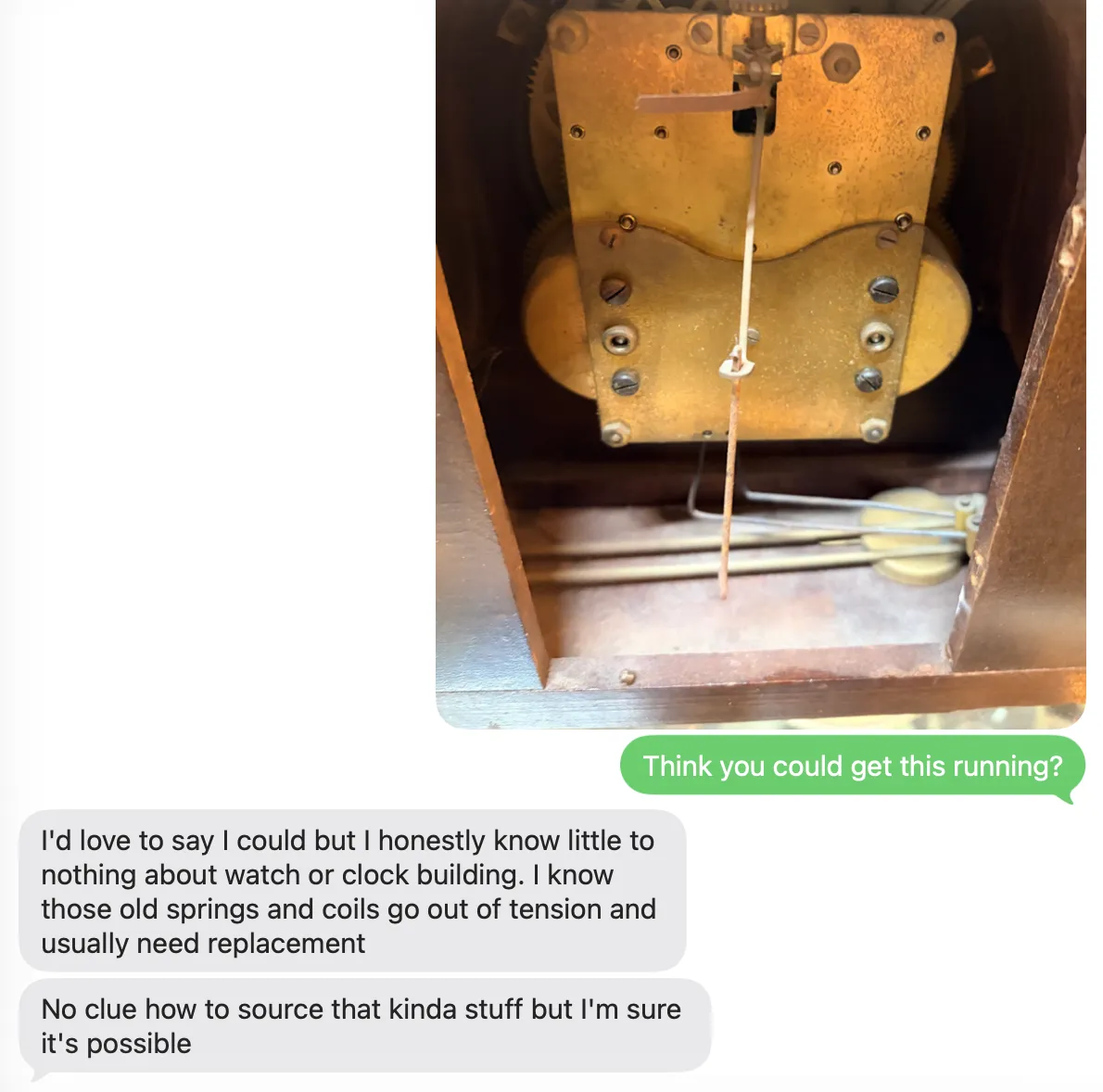 thanks bro.
we got it and then took a little trip to a nearby bar and then saw this beautiful little brown anole on the way to the car. look at her striking stripe!

i started doing some research on the clock when i got into the car. i looked up the label on bottom.
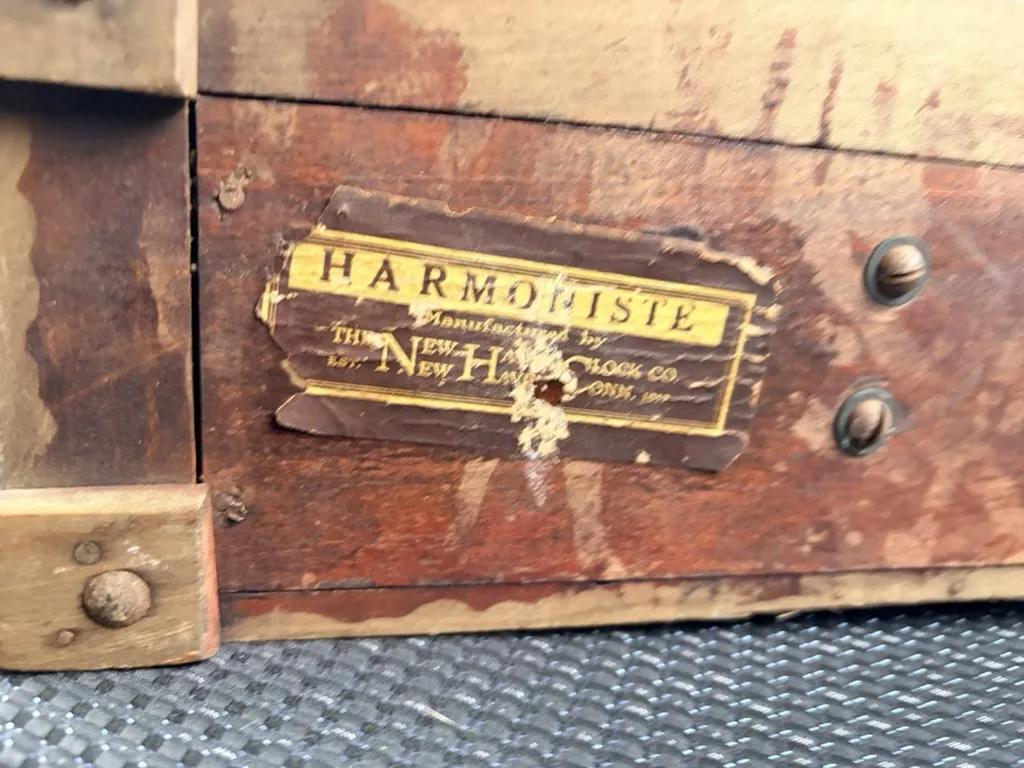 
the maker was clearly the new haven clock company in connecticut. finding the date for this exact model took a little longer even with the name clearly saying “harmoniste”. the search engines hated that name and thought it should be harmonious (another popular model by this company). after a few eBay and antique auction site cross references it seems to be from around the 1920s. that’s cool!

the maker was clearly the new haven clock company in connecticut. finding the date for this exact model took a little longer even with the name clearly saying “harmoniste”. the search engines hated that name and thought it should be harmonious (another popular model by this company). after a few eBay and antique auction site cross references it seems to be from around the 1920s. that’s cool!
then i began looking into what it was going to take to restore a 100 year old clock mechanism, and decided i needed to figure out how to even get into the damn thing to see what we were dealing with. looked at some youtube videos and it looked like at some point early on i’d need to remove the hands. that spurred the search for the world’s tiniest wrench to get the little nut off. i couldn’t find one at home so i started doing more research. i found out that someone who works with clocks is a horologist so "horologist tools" went into the google. that got overwhelming so i started looking for "mini wrenches". no ma'am. not "mini wrenches" these are called "ignition wrenches" (and also an offensive term). i’d argue mini is cuter. time to get out my digital calipers and see what the diameter of the little nut was (fun fact it’s either a hand or cap nut. i kept calling it a bolt. oops.) turns out i needed a wrench that was 3/16.
cool. what if i took a second to follow my mouse-with-a-cookie themed brain and start looking for cool replacement calipers because mine are plastic and cheap. i’m on a big kick right now to replace my current modern shitty things with cool old built to last items (very novel, i know). i really like a digital read out because i’m not interested enough nor is my vision any good to read all those little lines myself. good 'ol overwhelm reared her bitchy little head and i started wondering whether or not an older set would be accurate enough and shelved that idea for now. stay tuned.
anyway, i got impatient and decided i could just use my (what i think are) jewelers pliers and got the nut off. success! i got the nut off without stripping anything. hands are off now, so lets take a look at the back.
now it's time for the deep dive into how the hell this thing even works so we could start to figure out what is even wrong with it.
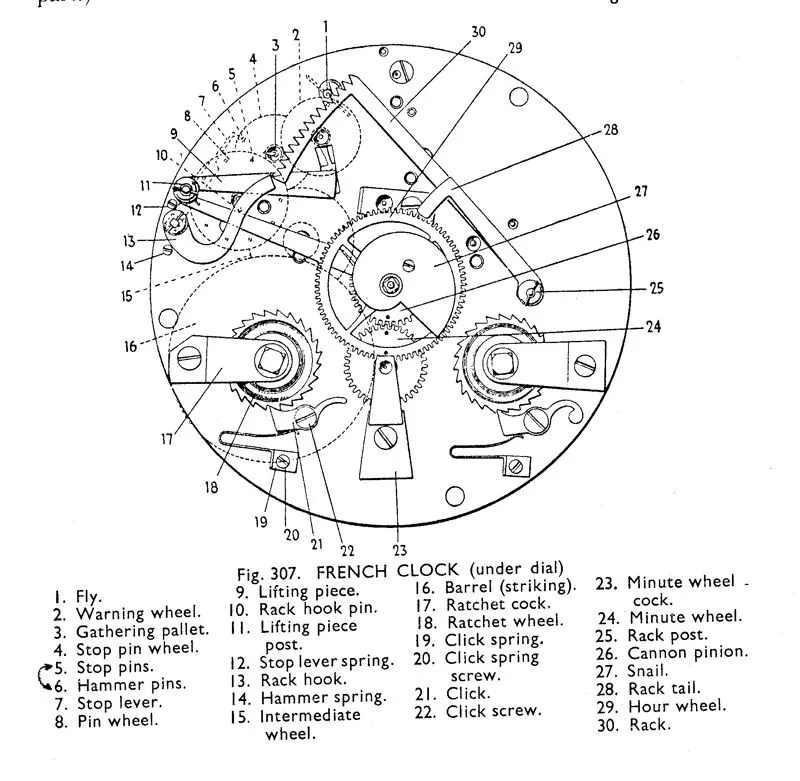
sooooooo… clocks are complicated. here’s just a little taste of what some of my initial searches brought up.
a post from the national association of watch & clock collects, inc. forum courtesy of LaBounty@NAWCC (he’s a life member btw)
Ref. "Practical Clock Repairing", Donald de Carle, FBHI, pgs. 9 - 12, 161.

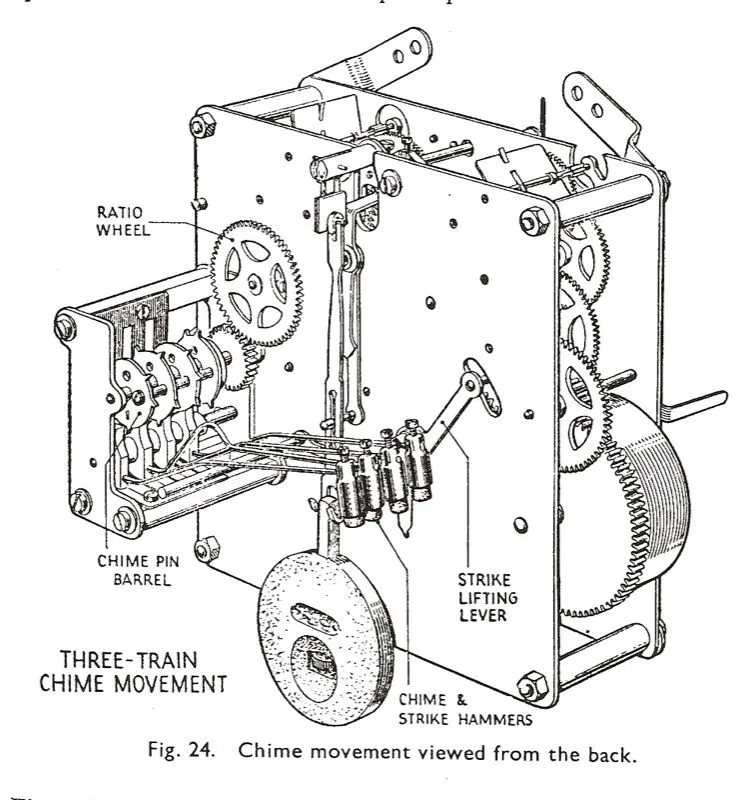
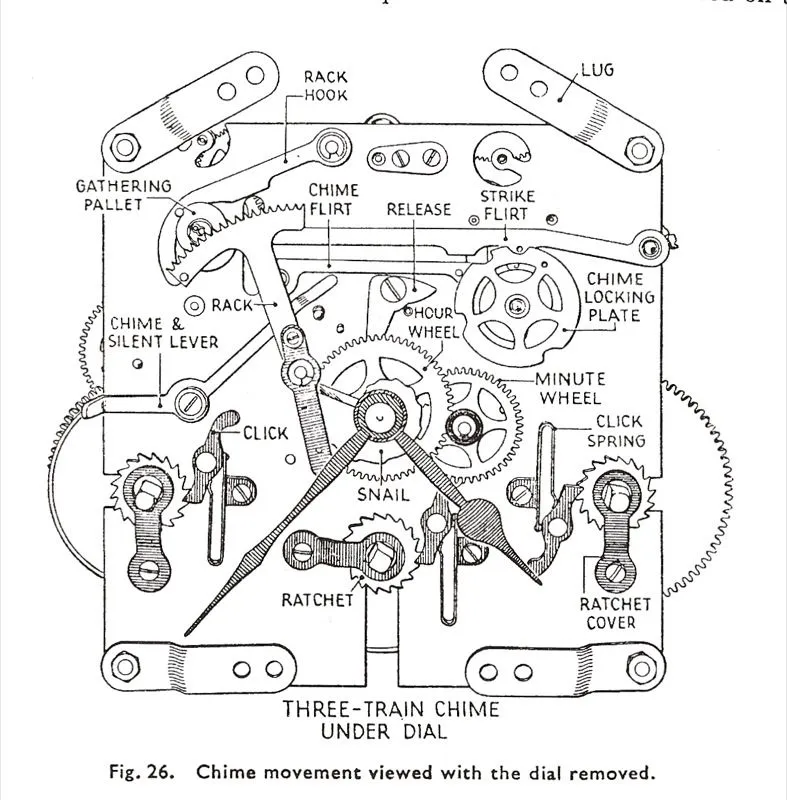
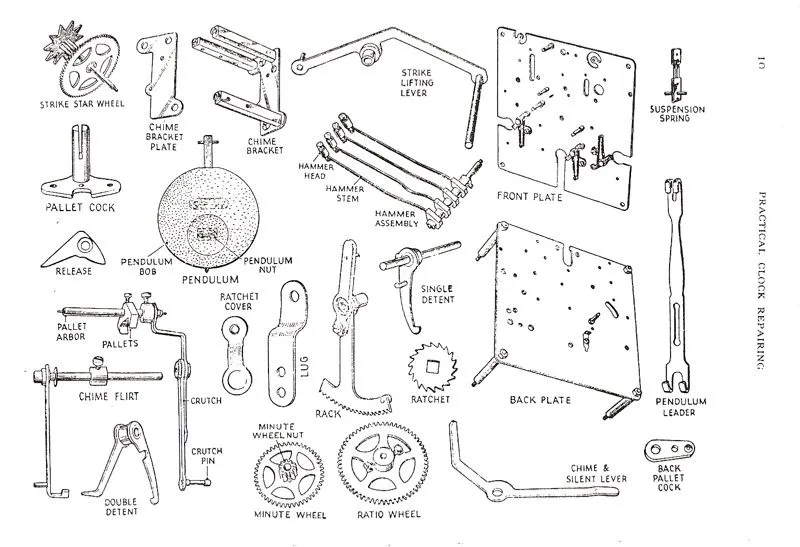
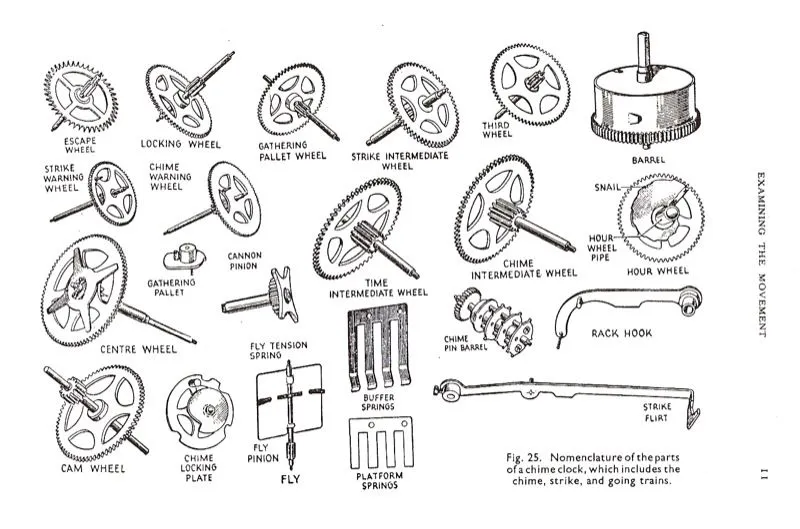

so… i started looking at how much it would cost to take it to someone.
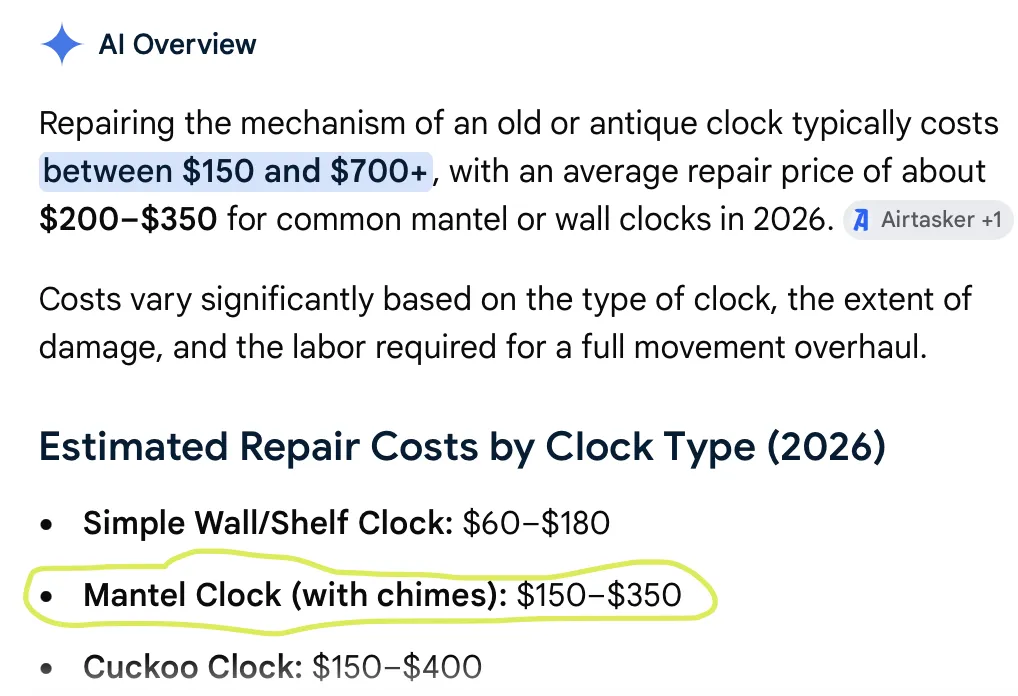
 
bitch... alright fine. what if i just use an atomic clock mechanism for now and maybe learn horology later. texted my brother and it was brother approved.

bitch... alright fine. what if i just use an atomic clock mechanism for now and maybe learn horology later. texted my brother and it was brother approved.
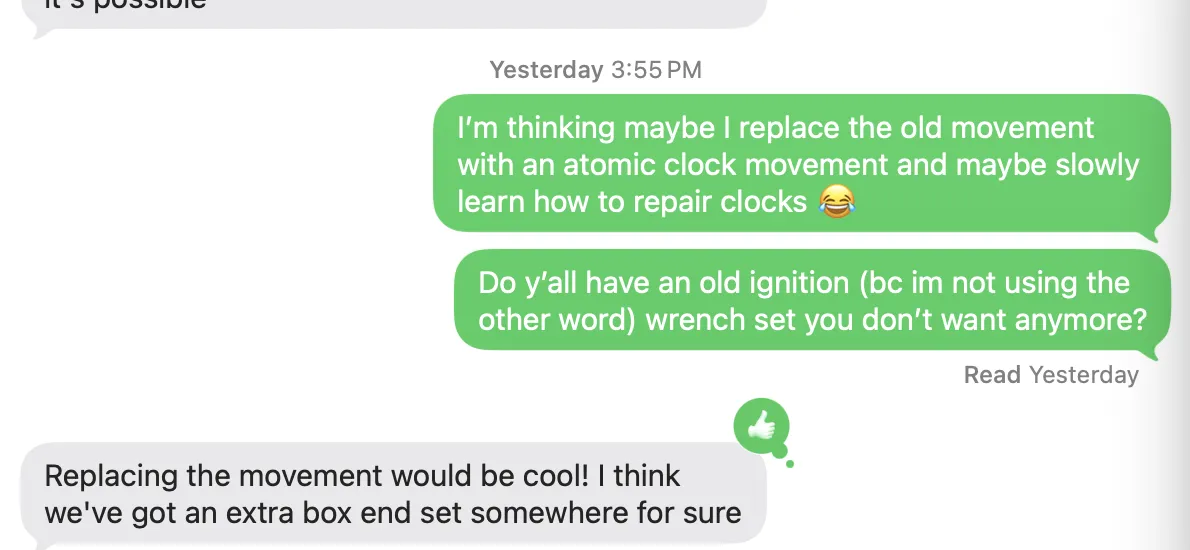

also figured i’d see if he had some of those cutie little wrenches. i decided i wanted my own little set, though so i opened up a tab to look on ebay later. i have this dream now of a cool little vintage tinker set! old wood box with very specific little drawers and pegs and holes and things and all my little old tools for just such projects.
anyway, back to the clock. next step seemed to be figuring out what the metal rod that holds the hands onto the clock and turns them is called. it’s an arbor or center post (you’re welcome). why? well, i’d like to keep the original hands (which reminds me i need to add a soft mallet and felt mat or something to my tool set because the minute hand is a little bent) so i need to see what the diameter of the arbor is. this way i'll know what size(?) i need on the atomic clock mechanism.
also, please do not panic! i plan to keep all of the parts inside of the clock completely unharmed. i would never separate a piece like that, for the record.
alright cool, what is the diameter of our clock’s arbor? lame plastic calipers and jewelers pliers to the rescue. there seems to be a threaded rod coming off of the main arbor. also, when you look at the minute hand, it has a wider circumference round bit. i’m guessing the larger part of the arbor is what i need to measure so that minute hand can sit snug over that...
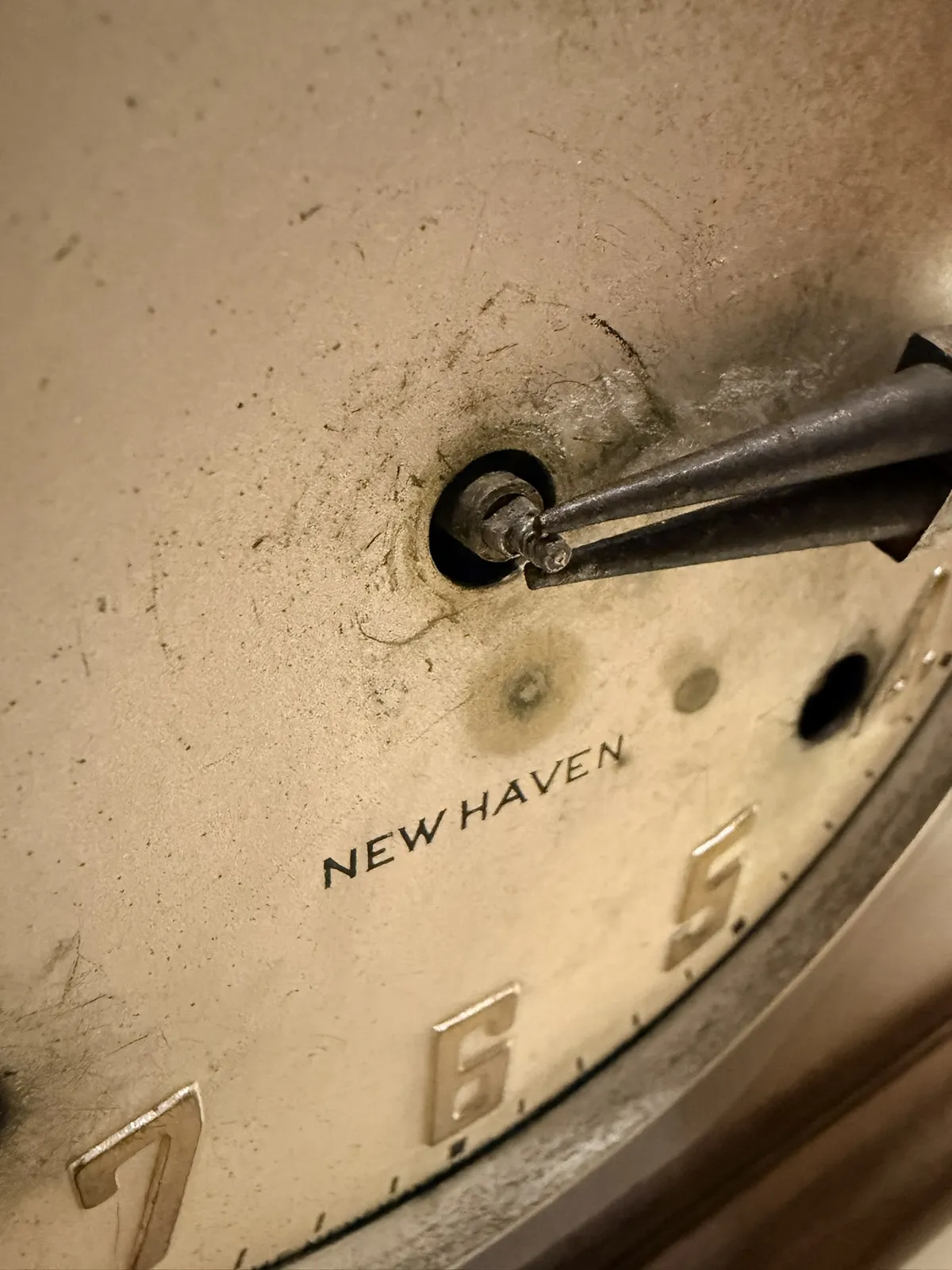
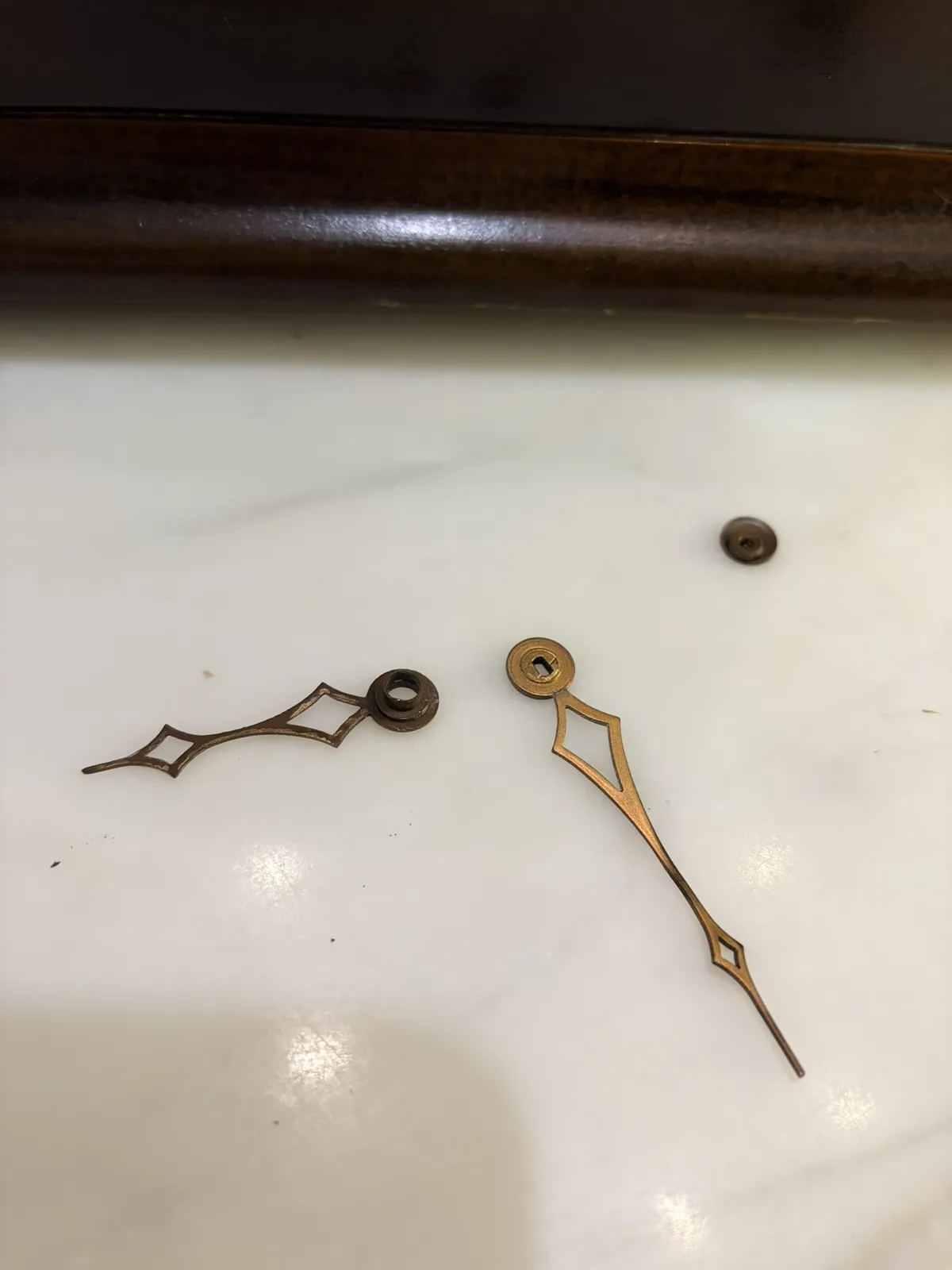
the center post measures 4mm! time to find an atomic clock mechnism on the interwebs without funding Jeff Bezos bullshit. wish me luck.
to be continued…
** disclaimer- ai was only used when referencing the ai overview feature on google. look at that! all that anxiety about using ai for proof-reading yesterday and today i said, "ah, fuck it."